The Pivotal "Seltener China Besuch": Germany's Diplomatic Balancing Act in Beijing
In the intricate dance of international diplomacy, some visits carry a weight far beyond their duration. Such was the case with German Foreign Minister Johann Wadephul's recent trip to Beijing, a truly seltener china besuch – a rare and significant engagement that underscored the complexities of Germany's relationship with the world's second-largest economy. This journey, long-anticipated and previously postponed, aimed to tackle two of the most pressing issues facing Europe: China's strategic ties with Russia amidst the ongoing war in Ukraine, and the critical global supply of essential rare earth elements.
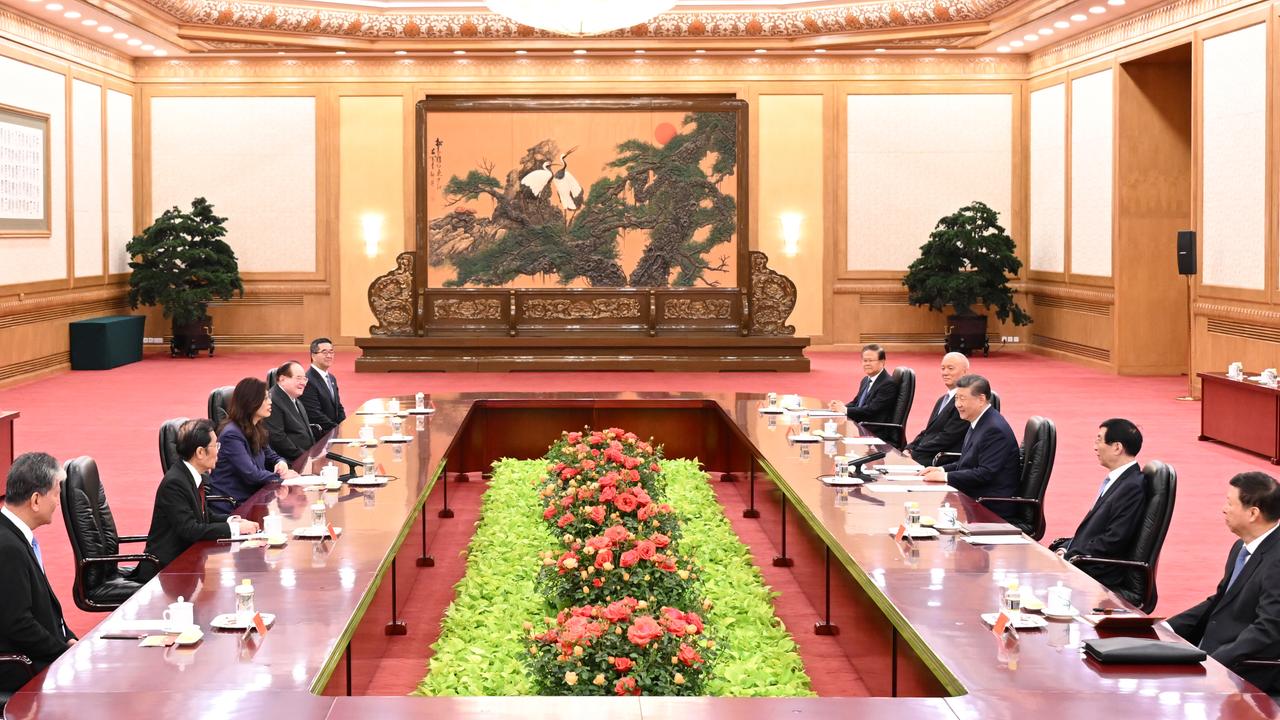
The visit, Wadephul's first as Foreign Minister to China, followed a meticulously planned but ultimately deferred trip in October. That earlier postponement reportedly stemmed from China's reluctance to provide high-level interlocutors, potentially a response to Wadephul's outspoken criticism regarding China's assertive stance on Taiwan. This context alone highlighted the delicate tightrope Germany and the broader European Union must walk: balancing crucial economic interdependence with fundamental geopolitical and ethical concerns. His eventual reception by key Chinese officials, including Foreign Minister Wang Yi, Trade Minister Wang Wentao, and even Deputy Head of State Han Zheng, signaled a renewed willingness for dialogue, albeit within a framework of inherent challenges.
Navigating Geopolitical Fault Lines: China's Stance on the Ukraine War
One of the most immediate and urgent items on Minister Wadephul's agenda was to impress upon China the profound implications of its relationship with Russia. Since the full-scale invasion of Ukraine, China has significantly bolstered its economic ties with Moscow and, crucially, maintained political backing for the Kremlin. This steadfast support has deeply concerned Western allies, who view China's position as undermining international efforts to restore peace and uphold territorial integrity.
During his meeting with Foreign Minister Wang Yi, Wadephul made Germany's expectations clear: "We expect China to take a clearer stance towards Russia," he stated, emphasizing that Russia's war in Europe directly "touches upon our core interests." This direct appeal reflects a broader European desire for Beijing to leverage its considerable influence to de-escalate the conflict. However, previous attempts by various Western leaders to sway China's position have largely fallen on deaf ears, as Beijing consistently prioritizes its own strategic alignment and sovereign interests, viewing external pressure as interference.
For Germany and the EU, China's role in the Ukraine conflict is not merely a regional issue but a test of global order. Beijing's continued support for Russia, whether economic or political, complicates the international community's response and prolongs the suffering in Ukraine. The seltener china besuch provided an opportunity for direct communication, allowing Wadephul to articulate the gravity of the situation from a European perspective, even if immediate policy shifts remain unlikely.
The Rare Earths Conundrum: Securing Critical Raw Materials
Beyond the geopolitical complexities, the economic lifeline of modern industry – specifically, the supply of rare earth elements (REMs) – formed another cornerstone of Wadephul's discussions. These 17 metallic elements, often misnamed as "rare" and "earths," are in fact abundant but challenging to extract and process economically. They are indispensable components in virtually every piece of modern technology: from the smartphones and laptops we use daily to electric vehicle motors, wind turbines, medical devices, and advanced defense systems.
China currently dominates the global supply chain for REMs, controlling a significant portion of both mining and, crucially, processing capabilities. This near-monopoly presents a substantial vulnerability for industries worldwide, including Germany's high-tech manufacturing sector. Recent export restrictions imposed by Beijing, often perceived as a geopolitical tool, have exacerbated these concerns, causing uncertainty and impacting German companies reliant on these critical inputs.
Wadephul's meeting with Chinese Trade Minister Wang Wentao focused explicitly on fostering fair competitive conditions and addressing the bottlenecks in rare earth exports. A key German objective was to advocate for the issuance of general export licenses for these materials, rather than the current, often bureaucratic, and time-consuming system of individual approvals for each shipment. Such a shift would significantly streamline supply chains and reduce market volatility.
Following these discussions, Wadephul reported "signals that something is moving" regarding rare earths, though he cautioned that "much work still needs to be done." This cautious optimism highlights the ongoing negotiation and the strategic importance of ensuring stable and predictable access to these vital resources. As he stated, the issue extends beyond Germany to "access to the European market," asserting the EU's collective voice in these critical trade discussions.
To reduce dependency on a single source, experts and industry leaders advocate for a multi-pronged approach:
- Diversification of Mining Sources: Investing in and developing new rare earth mines outside China, particularly in environmentally responsible ways.
- Boosting Processing Capacities: Establishing more refining and processing facilities in Europe and other allied nations.
- Recycling Initiatives: Developing advanced technologies to recover rare earths from electronic waste and end-of-life products.
- Research & Development: Exploring alternative materials and technologies that could reduce or eliminate the need for certain rare earths.
- Strategic Stockpiling: Building up national reserves of critical raw materials to mitigate short-term supply shocks.
These strategies are vital for securing the EU's industrial future and fostering resilience in its strategic sectors. You can read more about these efforts in seltener china besuch - Article 2.
Beyond the Headlines: The Broader Implications for EU-China Relations
The seltener china besuch transcended the immediate agenda items, serving as a critical touchstone for the broader Germany-China and EU-China relationship. It reaffirmed the necessity of direct, high-level dialogue, even when facing significant disagreements. The fact that Wadephul secured meetings with multiple senior officials, despite past diplomatic snubs, indicates China's recognition of Germany's economic heft and political importance within the EU.
However, the underlying challenges remain profound. Germany and the EU are caught between the economic imperative of engagement with China – seeking access to its vast market and critical components like chips – and the moral and strategic imperative of upholding democratic values, human rights, and international law. The reference context clearly states the difficulty of dealing with an "authoritarian governed China," a reality that shapes every interaction.
This visit paves the way for continued discussions on fair market access for European companies, protection of intellectual property, and ensuring a level playing field – issues that have historically plagued bilateral trade relations. The outcomes of such high-level diplomatic efforts, though incremental, are crucial for shaping future policy and ensuring a balanced, albeit often strained, relationship. For further insights on the future of EU-China economic ties, explore seltener china besuch - Article 3.
Conclusion: The Enduring Importance of Dialogue
Minister Wadephul's seltener china besuch was a stark illustration of modern diplomacy's complexities. It highlighted the dual pressures on Germany: advocating for European values and security in the face of geopolitical aggression, while simultaneously safeguarding vital economic interests through secure supply chains and fair trade. While no single visit can resolve deep-seated issues like the Ukraine war or reshape global rare earth markets overnight, the candid exchange of views and the signals of potential movement, particularly on raw material access, underscore the enduring importance of direct dialogue.
The path forward for Germany and the EU in their relationship with China remains one of careful navigation. It demands a pragmatic approach that recognizes mutual dependencies, asserts European interests firmly, and continuously seeks avenues for constructive engagement, even amidst profound disagreements. This visit, therefore, was not merely a diplomatic exchange, but a vital step in Germany's ongoing effort to define its role in a rapidly evolving global order.