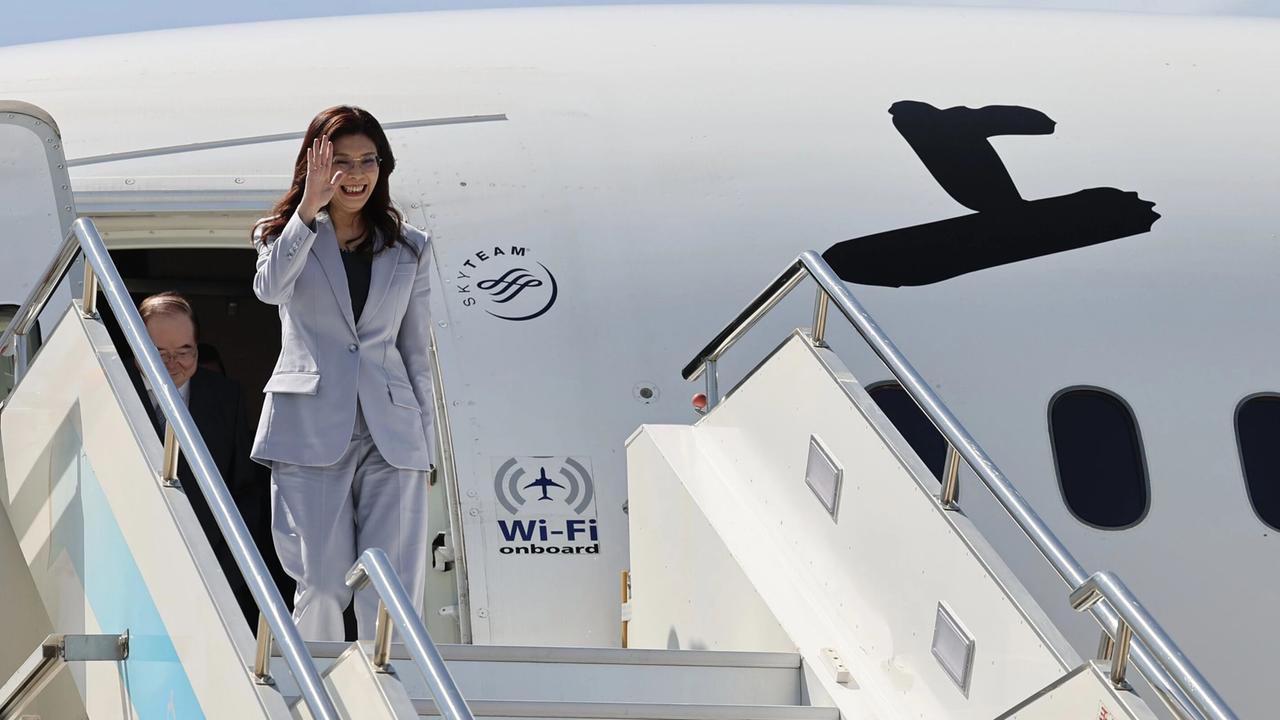
German Foreign Minister Johann Wadephul's recent visit to China was no ordinary diplomatic engagement. Dubbed a "seltener china besuch" (rare China visit), it was a critical mission, long-anticipated and fraught with geopolitical complexities. Against a backdrop of global tensions, particularly concerning the war in Ukraine and the fierce competition for critical raw materials, Wadephul's rescheduled trip aimed to navigate the intricate web of Sino-German relations, balancing shared economic interests with stark political disagreements.
Originally postponed due to apparent snubs from high-ranking Chinese officials—reportedly after Wadephul's criticism of Beijing's threats against Taiwan—this trip marked his inaugural visit as Foreign Minister to the East Asian giant. The stakes were undeniably high: Germany sought to secure vital economic lifelines while simultaneously urging China to leverage its influence on Russia, a plea that has, thus far, met with little success. The dialogue also centered on ensuring fair competitive conditions for European companies in the Chinese market, a persistent area of concern.
A Diplomatic Tightrope: Germany's Engagement with China
The very nature of this seltener china besuch - Article 1 underscored the delicate balancing act inherent in modern international diplomacy. Wadephul's itinerary was packed, a stark contrast to the previously derailed plans. He met with a spectrum of influential figures, including Chinese Foreign Minister Wang Yi, Commerce Minister Wang Wentao, Deputy State Head Han Zheng, and Liu Haixing, the head of the Communist Party's international department. These high-level meetings were crucial in re-establishing channels of communication and demonstrating a willingness from both sides to engage, despite ideological divides.
For Germany, a crucial objective was to address the structural imbalances in trade and investment. Wadephul emphasized that the discussions were not solely about Germany but about wider European access to the Chinese market and ensuring a level playing field for European businesses. "It's not about the relationship only with Germany, but it's also about access to the European market. And with that, we also have a significant say here, with that we have something to contribute," Wadephul stated, highlighting the collective European voice. Conversely, China's economic ties with Europe remain vital, providing a powerful incentive for dialogue. The interconnectedness of global supply chains means that while political differences persist, mutual economic dependency necessitates continued engagement.
However, the underlying challenges of dealing with an authoritarian state like China remain formidable. Issues of human rights, intellectual property protection, and geopolitical posturing, particularly concerning Taiwan, cast a long shadow over any diplomatic overtures. These are complex issues that cannot be resolved in a single visit, but the initiation of dialogue, even under difficult circumstances, is often seen as a prerequisite for any future progress.
Geopolitical Crossroads: Ukraine, Russia, and Beijing's Stance
One of the most pressing items on Wadephul's agenda was to impress upon China the urgency of the conflict in Ukraine and Beijing's potential role in de-escalation. Germany, like much of the Western world, has repeatedly called on China to use its considerable influence over Russia to end the aggression. Wadephul explicitly stated, "We expect China to take a clearer stance towards Russia. It touches our core interests that such a war is being waged by Russia in Europe, and we equally attach importance to having our core interests taken into account. How China does this on its part is also understood here."
Despite these appeals, China's stance has largely remained unchanged since the war's inception. Beijing has significantly bolstered its economic ties with Moscow, providing crucial political backing and often echoing Russian narratives. This has complicated Western efforts to present a united front against Russia's aggression. The challenge for Germany and its allies is to persuade China that its long-term strategic interests might be better served by a more constructive approach to the conflict, rather than deepening its partnership with an increasingly isolated Russia. This delicate diplomatic dance highlights the broader shifts in global power dynamics, where China's growing influence allows it to chart a more independent course, often diverging from Western expectations. This intricate negotiation is part of a larger ongoing discussion, as detailed in seltener china besuch - Article 2.
The Rare Earths Dilemma: Securing Critical Resources
Perhaps no issue underscored the economic vulnerabilities of German and European industries more acutely than the discussion surrounding "Seltene Erden" (Rare Earths). These 17 metallic elements, often misnamed as they are not particularly "rare" but are rarely found in high concentrations, are indispensable to modern technology. From smartphones and laptops to electric vehicles, wind turbines, and advanced defense systems, rare earths are the silent workhorses of our digital and green future.
China holds a dominant position in the global rare earths supply chain, not just in mining but crucially in their processing. Recently, Beijing has tightened export controls on these critical raw materials, a move that sends tremors through global manufacturing sectors, including Germany's high-tech industries. These restrictions, whether driven by geopolitical leverage or domestic supply priorities, directly impact the operational stability and competitiveness of European companies.
Wadephul's meetings with Commerce Minister Wang Wentao specifically addressed this bottleneck. The German hope was to move away from a cumbersome system of individual export approvals towards a more streamlined issuance of "General-Lizenzen" (general licenses). While acknowledging that "much work still needs to be done," Wadephul indicated receiving signals that there was "movement" on the rare earths issue. This flicker of hope, however, comes with a strong German insistence on fair trade conditions for European businesses within China, balancing resource access with market reciprocity. The scarcity and controlled supply of these vital materials pose an existential threat to EU industries if dependency on a single source remains unchecked.
Beyond Dependency: Strategies for European Resilience
The vulnerability exposed by China's leverage over rare earths has galvanized a concerted effort within Europe to bolster its economic resilience. Moving beyond mere diplomatic appeals, a multi-faceted approach is essential to reduce dependency and secure critical supply chains. Here are several key strategies:
- Diversification of Supply Chains: Europe must actively seek and invest in new mining and processing facilities outside of China. Countries like Australia, the United States, Canada, and various African nations possess significant rare earth deposits. Fostering partnerships and investing in the development of these alternative sources is paramount.
- Recycling and Urban Mining: A vast untapped resource lies within discarded electronic devices. Developing advanced and efficient recycling technologies for rare earths from e-waste – a process often called "urban mining" – can significantly reduce the need for newly mined materials. This not only secures supply but also aligns with environmental sustainability goals.
- Substitution and Innovation: Research and development into alternative materials or redesigning products to reduce or eliminate the need for rare earths is another long-term strategy. While challenging, innovation can unlock entirely new avenues for manufacturing.
- Strategic Stockpiling: Establishing national or EU-wide strategic reserves of critical raw materials can provide a buffer against sudden supply disruptions, allowing industries time to adapt.
- Investment in Domestic Processing: While Europe has some rare earth deposits, its processing capacity is limited. Investing in domestic or allied nation processing facilities would reduce reliance on Chinese expertise and infrastructure, creating a more secure supply chain closer to home.
- EU-Level Initiatives: The European Union's Critical Raw Materials Act is a crucial step, aiming to streamline permitting, fund innovation, and build strategic partnerships to secure these vital resources.
These strategies require significant investment, long-term planning, and international cooperation, but they are vital for safeguarding Europe's industrial future and technological sovereignty in an increasingly complex geopolitical landscape.
Conclusion
Johann Wadephul's "seltener china besuch" was more than a series of meetings; it was a testament to the intricate and often contradictory nature of modern statecraft. Navigating the demands of economic interdependence with the imperative of upholding democratic values and geopolitical stability proved a formidable challenge. While immediate breakthroughs on issues like the Ukraine war or complete liberation from rare earth dependency remained elusive, the visit reopened crucial channels of communication. Signals of potential movement on rare earths, coupled with a firm assertion of European interests, suggest a long and arduous path ahead. Ultimately, Germany and Europe must continue to pursue a dual strategy: engaging in robust diplomacy while simultaneously building resilience and diversifying their strategic capabilities to secure a stable and prosperous future in a rapidly evolving world.